Artisan jewelry guide · Musae
How to choose artisan jewelry: a guide to finding truly unique pieces
Buying handmade jewelry well means knowing what makes a piece authentic, how to read quality in materials and finish, and what to ask before you commit.
Education · Verifiable quality · Pieces with a story behind them
Direct answer
How do you choose artisan jewelry?
Choosing artisan jewelry comes down to three things: the materials it is made from, the making process behind each piece, and the visible markers of authenticity that separate genuinely handmade work from mass-produced items with a rustic finish.
A genuine handmade piece has irregularities that are not flaws — they are the signature of human hands. Look for subtle variations in color, thickness, and texture: those are proof that no one else has the exact same piece. If something is perfectly uniform and symmetrical in every detail, it likely came from an industrial mold. Understanding how jewelry is made by hand in Colombia helps you spot the difference at a glance.
Materials speak clearly too. Blown glass has depth and internal color variation that cut glass or plastic will never replicate. Sterling silver has a warm weight and luster that plated imitations cannot match. If you want a material with aesthetics as singular as the process that creates it, artisan glass jewelry is a starting point that is hard to beat.
Finally, authenticity shows in context: who made the piece? Where? With what technique? A brand that can answer those questions clearly and specifically is itself a quality guarantee. Vague or evasive answers tell you what you need to know.
What defines a quality artisan piece
A quality artisan piece is recognized by the coherence between its finish, its materials, and the process that created it. Artisan beauty is not perfect — it is honest.
The finish of a handmade piece reveals how much time and care the maker invested. Surfaces should be fully resolved: no unintended sharp edges, no coatings that will peel, no closures that fight you. Good finish does not mean industrial perfection — it means every detail was considered. In the tradition of artisan jewelry from Bogotá, this shows in the way pieces age: with dignity, not deterioration.
- Consistent finish: no neglected areas, no unresolved edges anywhere on the piece
- Visible and verifiable materials: real glass, real silver — not imitations
- Perceptible uniqueness: no two identical pieces within the same production run
- Weight and presence: handmade pieces have a density that costume jewelry simply does not
Materials: what to look for when choosing
The material of an artisan piece determines its durability, aesthetics, and long-term value. Understanding materials before you buy is an informed decision, not just an emotional one.
Not all materials age the same way. Low-quality metals tarnish and darken, silver plating wears off within months, and synthetic materials lose shape with body heat. Noble materials — blown glass, sterling silver, bronze — not only last longer: they become more interesting over time. Artisan blown glass jewelry is a perfect example: glass does not fade, does not oxidize, and retains its visual depth for decades. That is why quality artisans choose it for its actual properties, not just its aesthetics.
- Sterling silver (950): 92.5% pure silver — durable, verifiable, unlikely to cause allergies
- Blown glass: resistant to wear, no fading, unique in every single piece
- Artisan bronze: ideal for pieces with character that age gracefully
- Avoid: uncertified alloys, thin silver plating over base metals, plastic presented as mineral
How to choose artisan jewelry for your style
Artisan jewelry is not just decoration — it is an extension of identity. Choosing well means finding pieces that speak to who you are, not what is trending.
If your style is understated and everyday, look for clean lines, neutral palettes, and moderate scale. Minimalist jewelry from Colombia is exactly that: pieces that integrate without competing, that accompany without distracting. If you prefer something more declarative, blown glass in vivid colors or organic forms lets you build a look with clear intention. And if you want something that works equally for daily wear and special occasions, handcrafted glass and silver necklaces offer genuine presence with real versatility.
- Minimalist style: geometric forms, neutral tones, noble materials — less is more
- Artistic or statement style: organic shapes, saturated colors, glass as the focal point
- Daily wear: prioritize secure closures, comfortable weight, materials that hold up
- For a gift: choose pieces with a story — identifiable materials, visible process, known maker
What to avoid
Common mistakes when buying artisan jewelry
The artisan jewelry market is full of mass-produced pieces with a rustic aesthetic. Knowing the difference saves you money and disappointment.
The most common mistake is buying industrially produced jewelry while believing it is handmade. Pieces with a hand-crafted look but zero story behind them are everywhere on mass-market platforms. Before you buy, ask who made the piece, where, and with what technique. If the answer is vague or nonexistent, that already tells you something important.
Another frequent error is ignoring materials in favor of price. A piece in real glass and sterling silver costs more than one in resin with silver plating — and it is worth it, because it lasts and stays beautiful. Prioritizing price over material quality usually means replacing the piece within a year. In artisan jewelry, cheap ends up being expensive.
Finally, many people buy on visual impulse without considering whether the piece fits their actual style. Quality artisan jewelry has presence and character — that is exactly what makes it special, but also what makes it demanding. Take a moment to imagine it integrated into how you actually dress, not just as an isolated product photo.
- Mistaking a rustic aesthetic for genuine handmade production
- Ignoring materials and buying on price alone
- Not asking who made the piece or how
- Buying on visual impulse without considering real daily use
Examples of truly handmade artisan jewelry
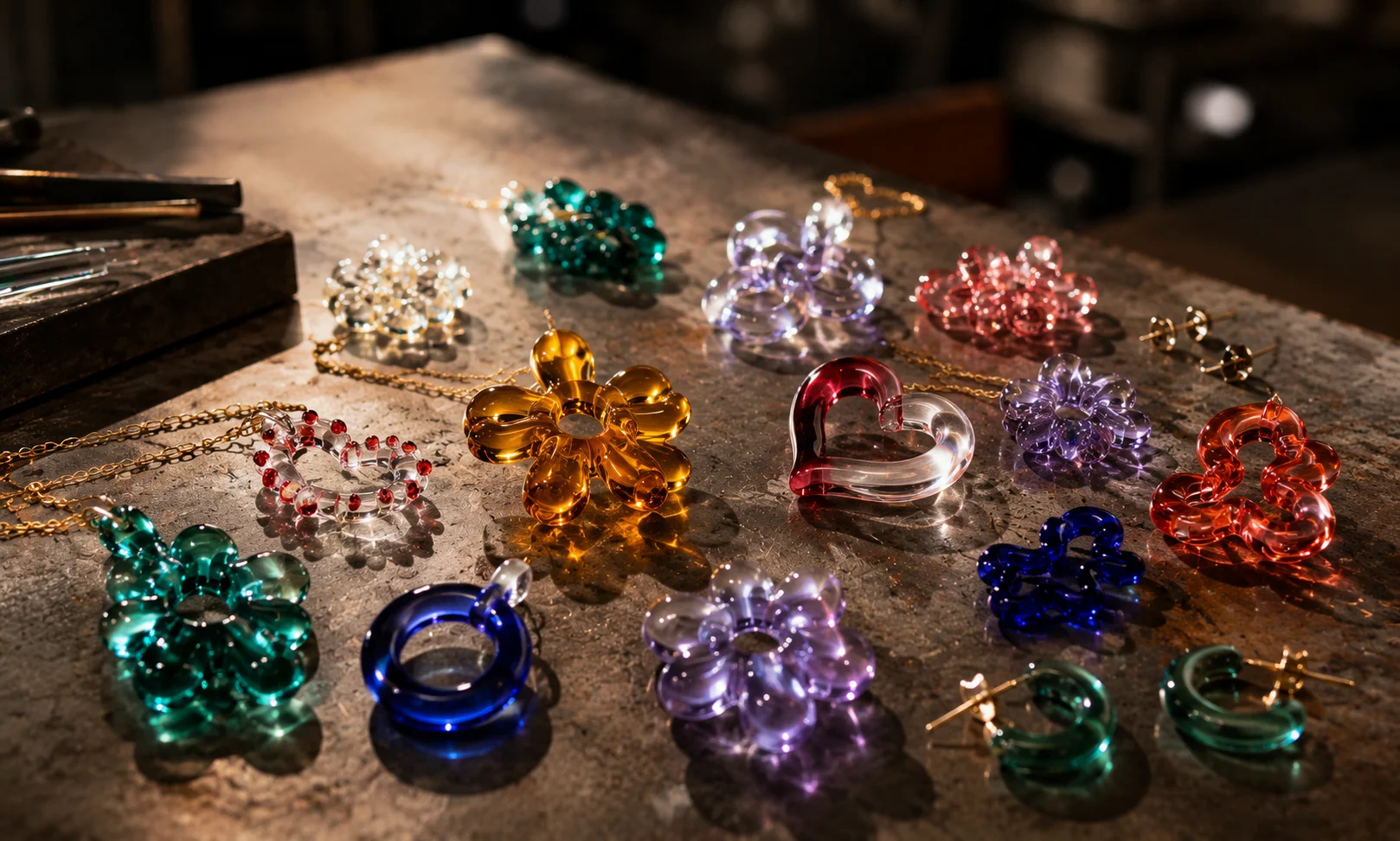
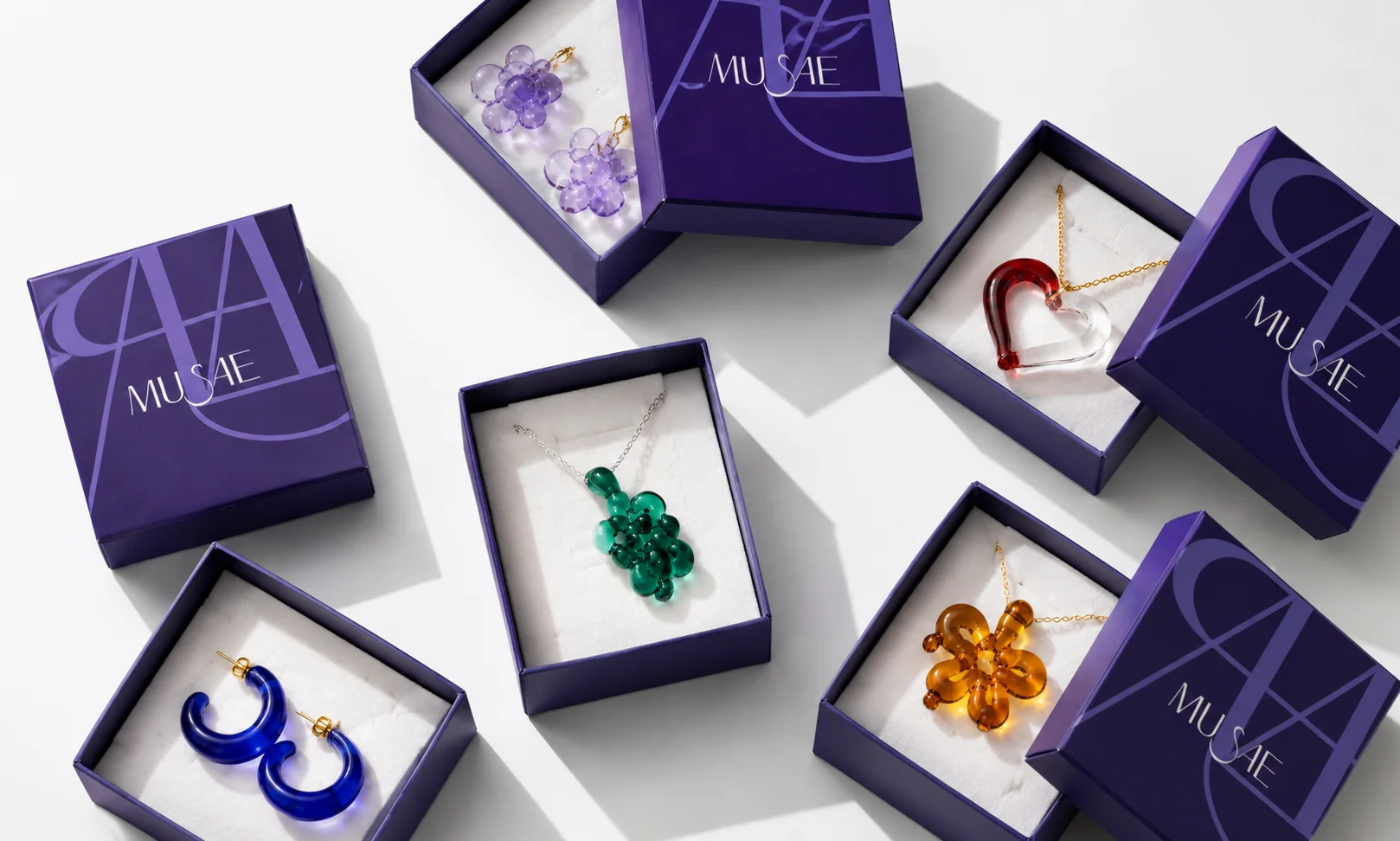
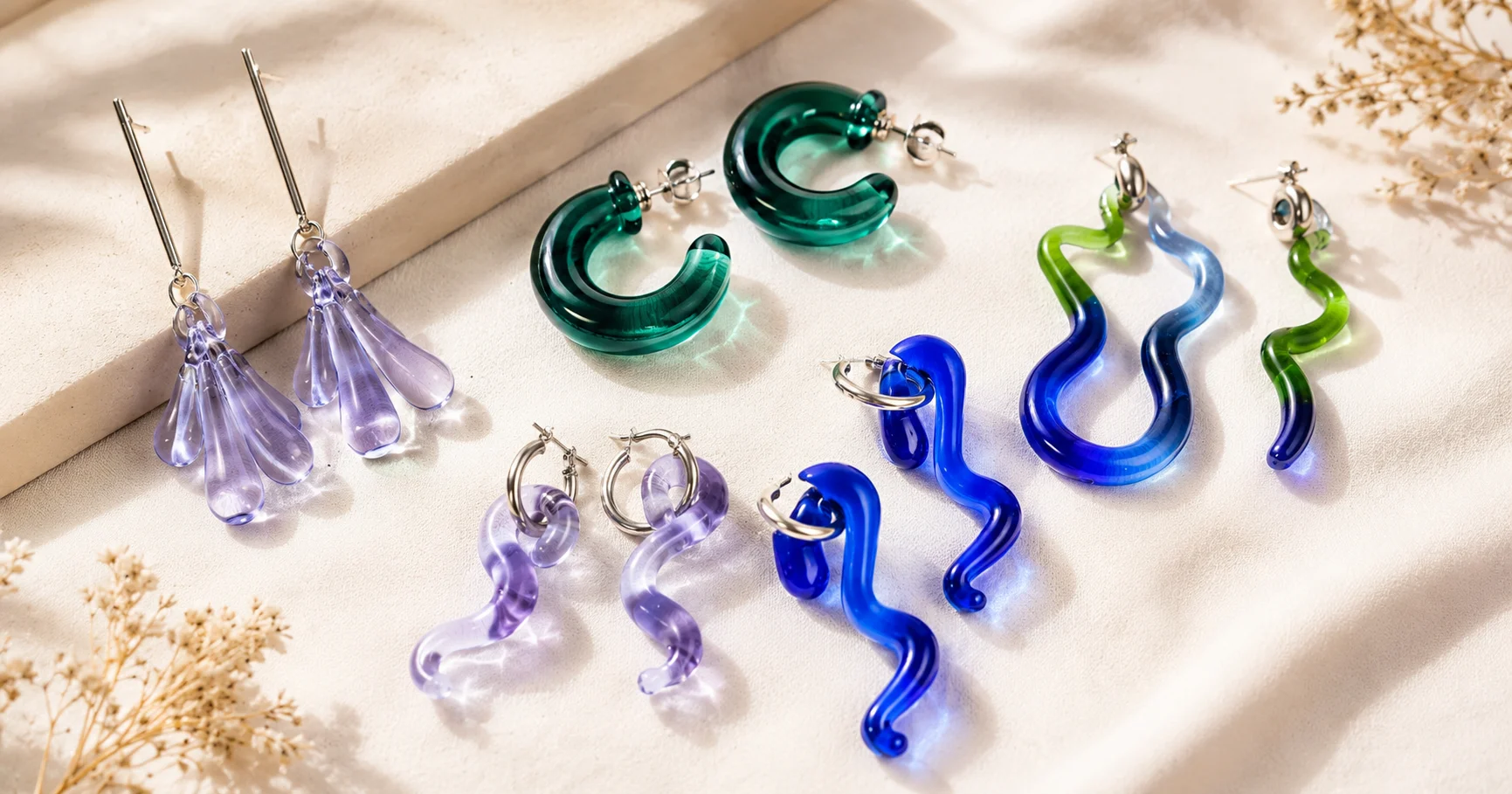
These pieces illustrate the principles in this guide: noble materials, visible process, real uniqueness. Each was made by hand in Colombia using blown glass and sterling silver.


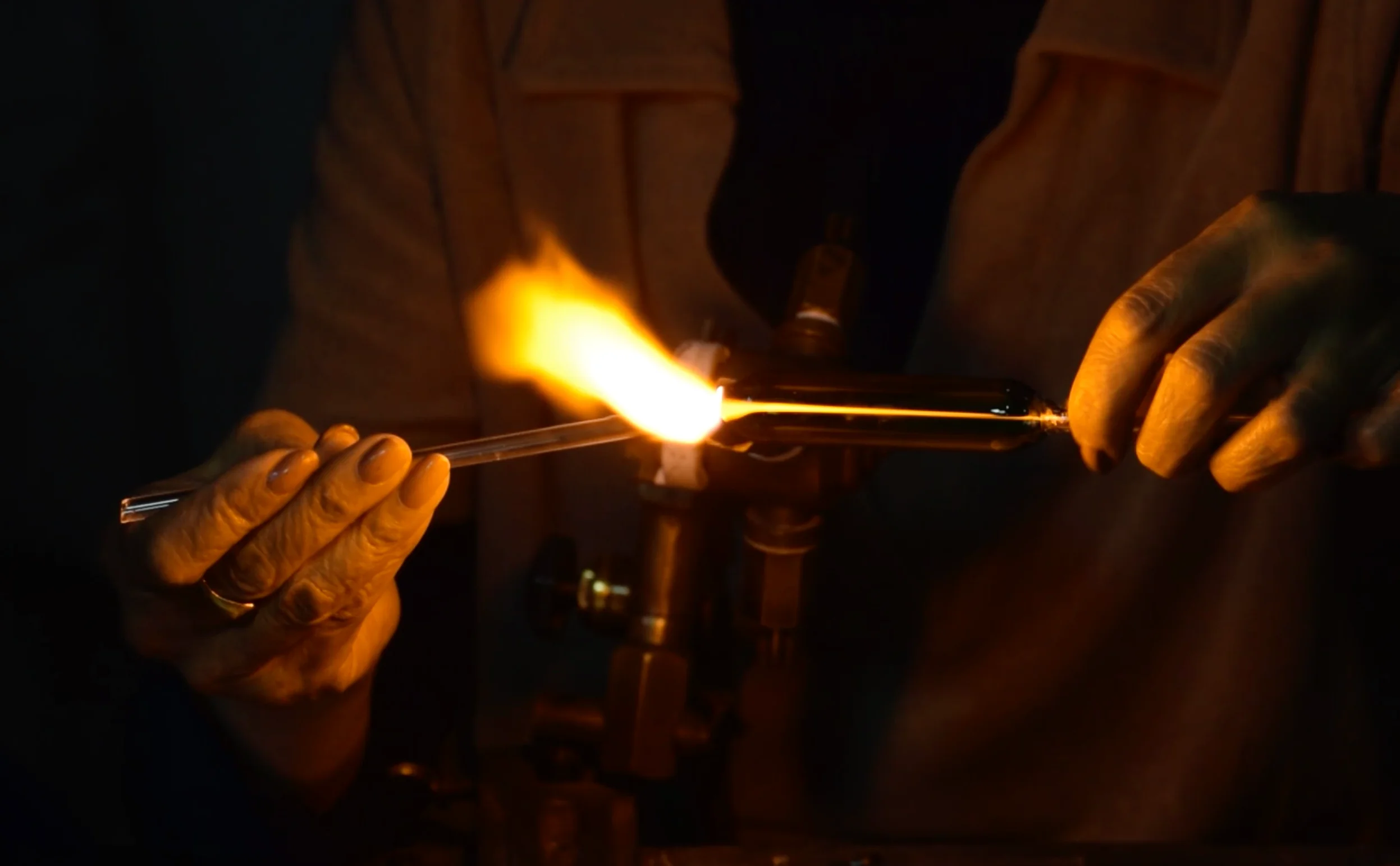
The process behind every piece
Frequently asked questions about choosing artisan jewelry
What people ask us most before buying
These are the most common questions from people considering artisan jewelry for the first time. If you have a specific question, write to us directly.
How can you tell if a piece of jewelry is genuinely handmade?
A genuinely handmade piece shows visible variations that reflect human intervention: subtle irregularities in color, shape, or texture that no machine can reproduce exactly. You can also ask the seller directly who made the piece, at which workshop, and with what technique. A specific and verifiable answer is a good sign. A vague or generic response suggests industrial production dressed up as artisan work.
What are the best materials for artisan jewelry?
The best materials for artisan jewelry are those that last, maintain their properties, and age gracefully. Sterling silver (950) is one of the best metal options: durable, certifiable, and unlikely to cause common allergies. Artisan blown glass is another top-tier material: it does not fade, does not oxidize, and has a visual depth that is truly unique. Avoid uncertified alloys, thin silver plating over base metals, and synthetic materials presented as natural ones.
Is artisan jewelry more durable than mass-produced jewelry?
It depends on the material. Artisan jewelry in noble materials — 950 silver, blown glass, bronze — tends to outlast mass-produced jewelry in cheap materials, because it was made to endure, not to be replaced. That said, artisan jewelry in delicate materials still requires the same care as any fine piece: store it properly, avoid direct hard impacts, and clean it with the right method for each material.
Is artisan jewelry a good option for a gift?
Yes — and for an important reason: artisan jewelry has a story behind it that mass-produced jewelry simply cannot have. Knowing that the piece was made by hand by a specific artisan, with verifiable materials, through a process that takes hours, gives the gift a value that goes beyond price. It is a piece the recipient can wear with pride and describe with meaning.
Is it worth more than mass-market jewelry?
In terms of real value, yes. A piece in noble materials lasts longer, does not fade, has aesthetic presence that mass jewelry cannot replicate, and carries cultural and craft value that grows over time. The upfront cost is higher, but the cost-per-use — accounting for durability and genuine satisfaction — is typically far lower than replacing several cheap pieces year after year.
Now that you know how to choose — find your piece
Every Musae piece is handmade with blown glass and sterling silver. No molds, no repetitions — just pieces with a story of their own.